2 min readProtein & Muscle
Menopause, muscle and bone — defending both with protein and lifting
The menopause transition accelerates the loss of muscle and bone — but the two most effective countermeasures are firmly within your control. Here is the protein-and-training case, and how Misi tracks it.
Part 5 of 10This article is part of the Protein & Muscle guideThe menopause conversation has finally moved into the open, and not before time. One of its most consequential effects gets the least airtime: the loss of estrogen accelerates the decline of both muscle and bone, while shifting fat toward the midsection. The encouraging part is that the two most powerful countermeasures — adequate protein and the right kind of training — are entirely within your control.
What changes, and why it matters
Estrogen is protective for muscle and bone, so as it falls through the perimenopausal and postmenopausal years, the rate of loss of both speeds up. Bone loss is fastest in the years immediately around the final period, which is precisely when fracture risk begins its long climb. Muscle loss compounds the problem: less muscle means less strength, a slower metabolism and a higher risk of the falls that turn fragile bones into broken ones. This is a window where doing the right things pays outsized dividends.
Protein needs go up, not down
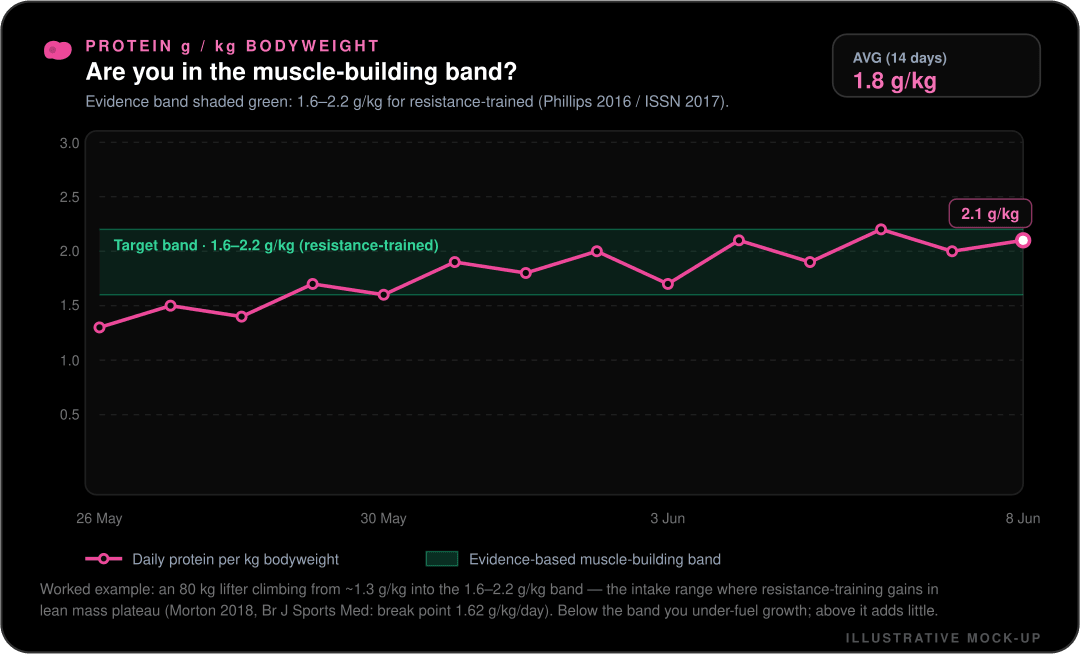
Ageing muscle becomes more resistant to the muscle-building signal of protein — a phenomenon called anabolic resistance — so it takes more protein to achieve the same effect. For women through and beyond menopause, intakes toward 1.2 to 1.5 g/kg of bodyweight per day are well supported, above the standard RDA of 0.8 g/kg, with enough leucine in each meal to clear the muscle-protein-synthesis threshold. Tracking protein against bodyweight is the simplest way to make sure you are actually getting there.
Lift heavy — and add impact for bone
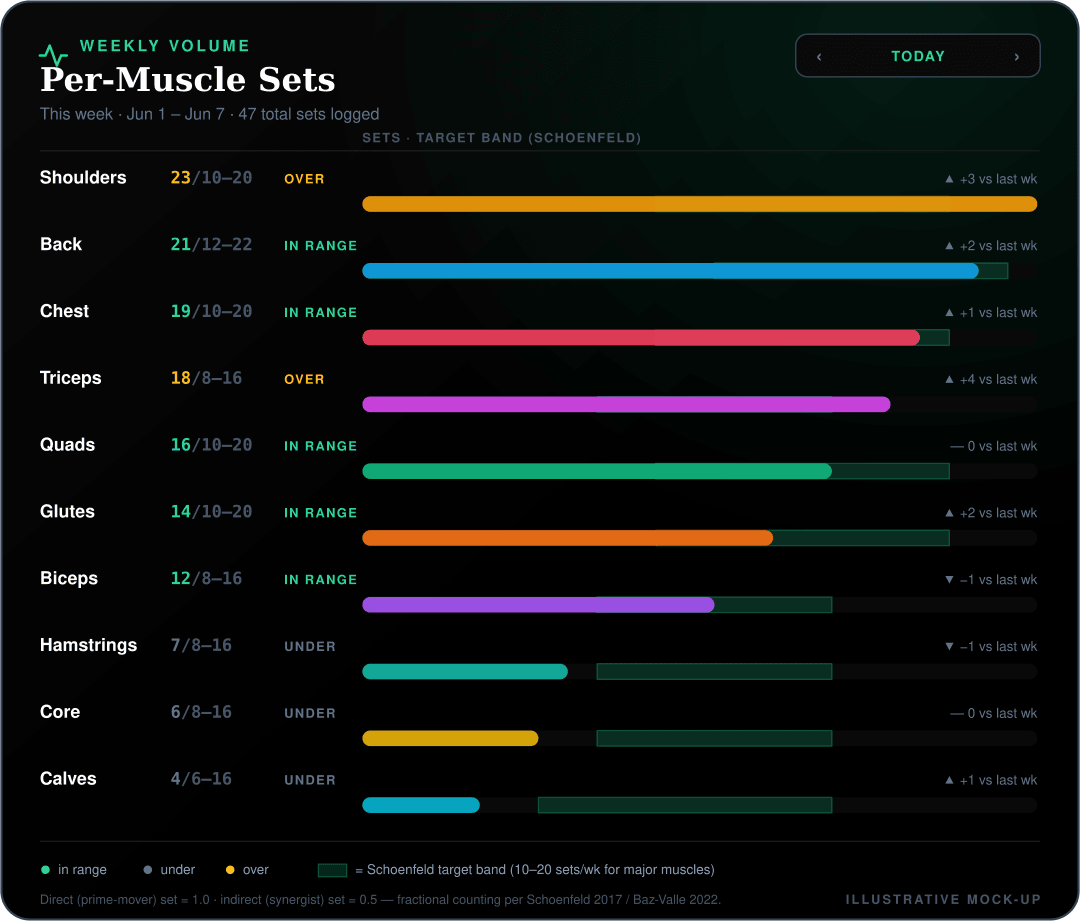
Cardio is good for the heart but does little for bone. What builds and defends bone is loading it: heavy resistance training and impact. The LIFTMOR trial (Watson 2018) showed that a supervised programme of high-intensity resistance and impact training improved bone density and strength in postmenopausal women with low bone mass — safely, and more effectively than the gentle exercise often recommended. Muscle and bone respond to the same signal: meaningful mechanical load.
How Misi supports the transition
Misi ties it together: protein per kilogram on the nutrition side, weekly loading volume on the training side, body-composition tracking through the AI body scan, and the hormonal and iron markers that shift during this stage read in context. It is not a substitute for your doctor — but it gives you, and them, a clear picture of whether your nutrition and training are actually defending the muscle and bone that matter most now.
Menopause accelerates the loss of muscle and bone. Protein and heavy, loaded training are the two levers that push back hardest — and both are yours to pull.
This is general information, not medical advice. Menopause care — including hormone therapy, bone-density screening and any new exercise programme — should be discussed with your doctor, particularly if you already have low bone density or other medical conditions.
Ready to put this into practice?
Misi BioLabs turns your bloods into a meal plan, training block and AI coaching — in one place.
Start freeFree tools
- PhenoAge Calculator — Biological age from a standard blood panel (Levine 2018).
- Biological Age Calculator — How fast are you really ageing? Nine blood markers answer it — no quiz.
- VO2max Calculator — Cooper 12-minute test → VO2max + fitness age + mortality hazard.